How BIM Supports Vision 2030 in Saudi Arabia’s Construction Sector
Published May 8, 2026

Driving efficiency, innovation, and transparency across the Kingdom
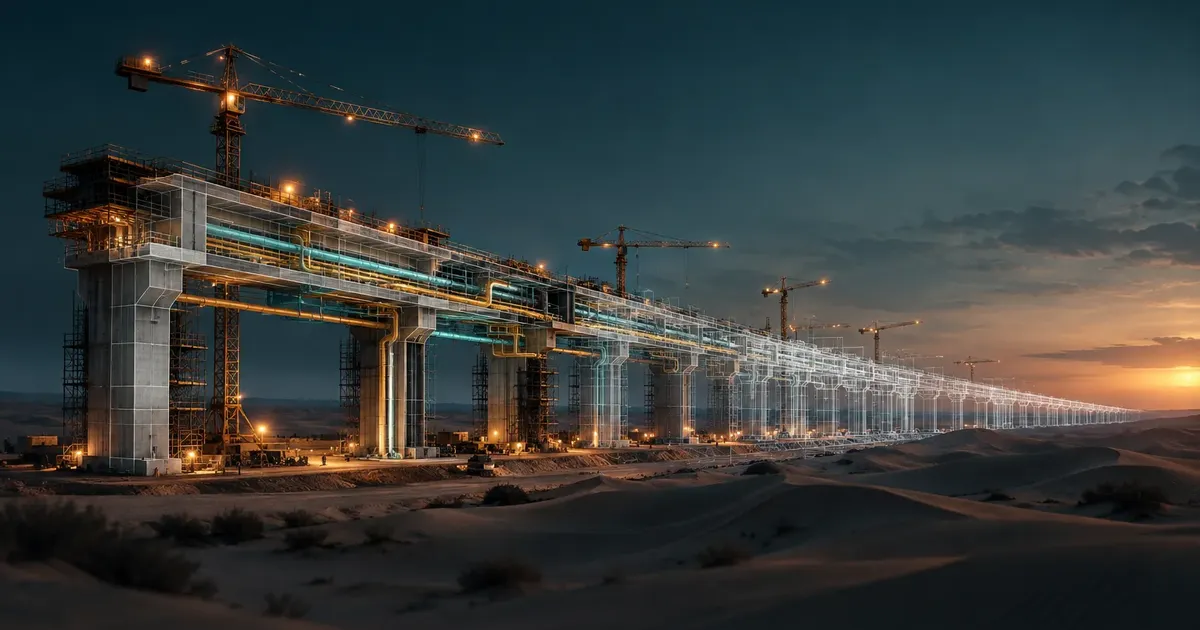
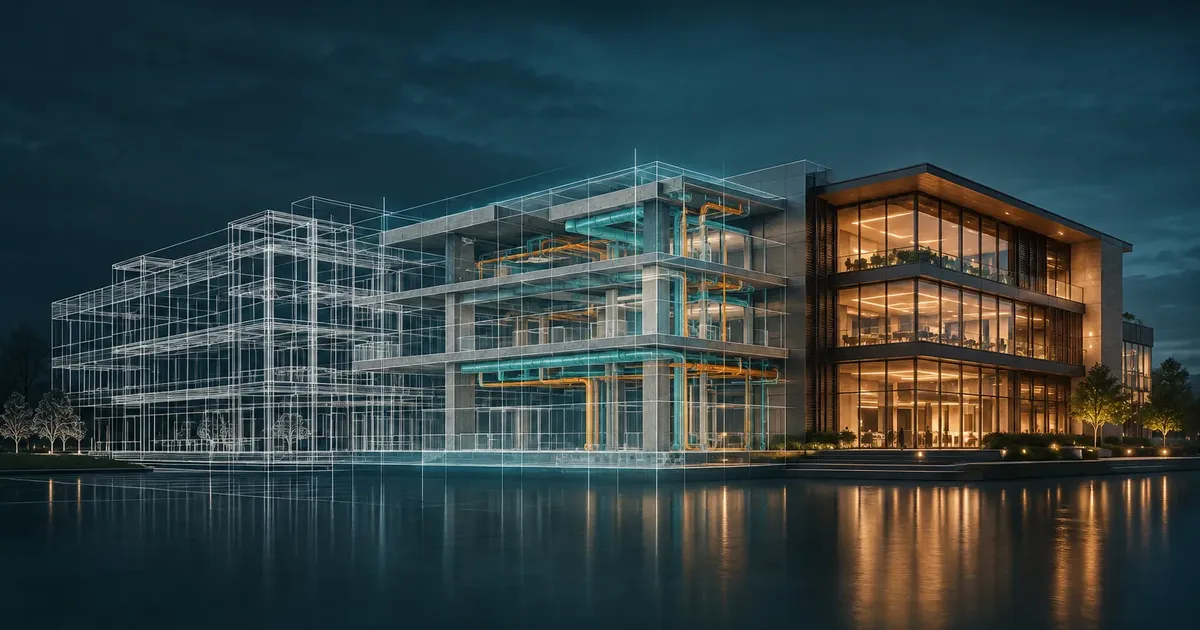
Saudi Arabia’s Vision 2030 is reshaping the country’s economy, urban planning, and infrastructure. With mega-projects like NEOM, The Line, and Qiddiya on the rise, the Kingdom is witnessing a historic construction boom. At the core of this transformation is Building Information Modeling (BIM)—a digital approach that’s helping the nation build faster, smarter, and more sustainably.
Here’s how BIM aligns with and accelerates Vision 2030 goals in the construction sector.
Enabling Smart, Future-Ready Cities
Vision 2030 promotes the creation of technologically advanced cities that integrate data, sustainability, and urban efficiency.
BIM supports this by:
- Allowing precise 3D visualization and simulation of infrastructure
- Integrating with smart city platforms for data-driven planning
- Enhancing decision-making through digital twins
Projects like NEOM are already relying on BIM at a massive scale to prototype entire urban environments before a single brick is laid.
Driving Efficiency Across Project Lifecycles
Traditional project workflows in Saudi Arabia are being replaced by digital-first approaches.
BIM streamlines the entire project lifecycle, from concept to operation, by:
- Reducing errors through real-time clash detection
- Improving coordination between stakeholders
- Speeding up approvals with clear documentation
This contributes to Vision 2030’s goal of improving public service delivery and reducing inefficiencies.
Reducing Costs and Construction Waste
BIM’s detailed quantity takeoffs and sequencing tools reduce material waste, change orders, and unnecessary labor.
This aligns with the Vision 2030 principle of sustainable development, supporting green construction practices across the Kingdom.
Enhancing Transparency and Accountability
The Saudi government is demanding higher transparency in project delivery and public spending.
BIM makes every step trackable, with:
- Clear version control
- Defined roles and responsibilities
- Model-based reporting for stakeholders and regulators
This supports better governance and strengthens investor confidence in major public-private projects.
Upskilling the Local Workforce
Vision 2030 focuses on empowering Saudi talent across all sectors. As BIM adoption grows, so does the need for:
- BIM managers and modelers
- Clash coordinators and automation specialists
- Revit, Navisworks, and 4D/5D BIM professionals
Investing in BIM training and education is key to building a competitive national workforce in construction and engineering.
Conclusion
As Saudi Arabia builds the cities of tomorrow, BIM is not just a tool—it’s a strategic enabler of Vision 2030. From reducing costs and waste to supporting smart urban development, BIM is playing a vital role in ensuring that Saudi construction is modern, efficient, and globally competitive.
Looking to integrate BIM into your Saudi project or organization?
At BIM EEC, we help developers, consultants, and contractors implement BIM strategies aligned with national goals and project scale.
👉 Get in touch to see how we can support your Vision 2030 success.